What Shooting 1300 Garba Night Frames Taught Me About Gear vs Skill
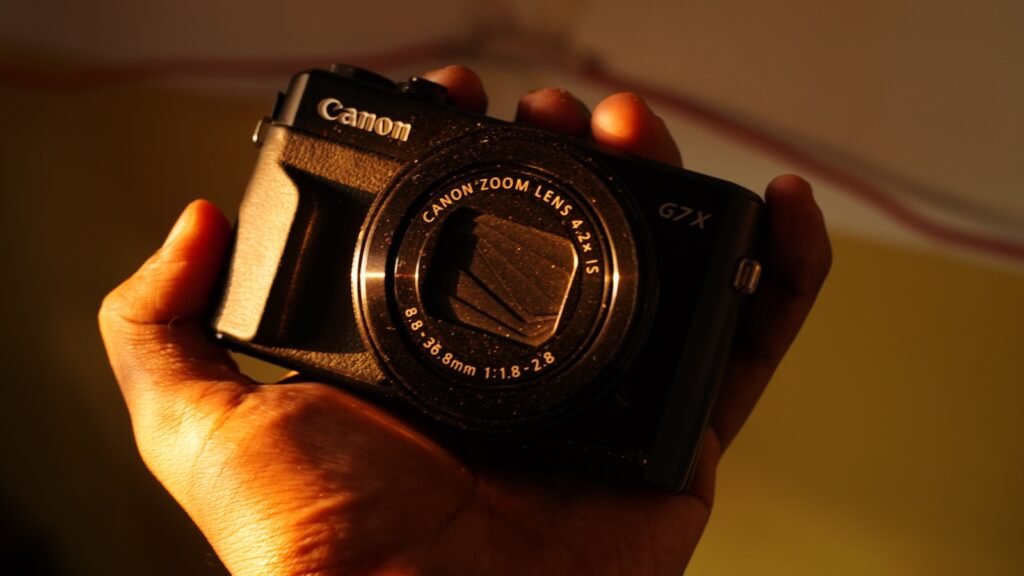
The statement “A skilled photographer can shoot great images with any gear” has been accepted as a universal answer to excuse people taking bad photos and blame it on their gear. Well, there’s some truth to it, to an extent, but I don’t believe the consensus or the way people usually absorb the statement and its literalness.
The lines between “gear” and “skill” have been thinned so much that “good” shooters force you to avoid correlating them. I’ve always tried to reason with the consensus that photographers put forth – that you’re supposed to shoot good photos even with gear limitations.
However, the photos that come out of great gear aren’t revered enough, even though there’s a nearly identical amount of skill involved. The hypocrisy and the dismissive nature of folks when they know you had good gear got me introspecting the other day.
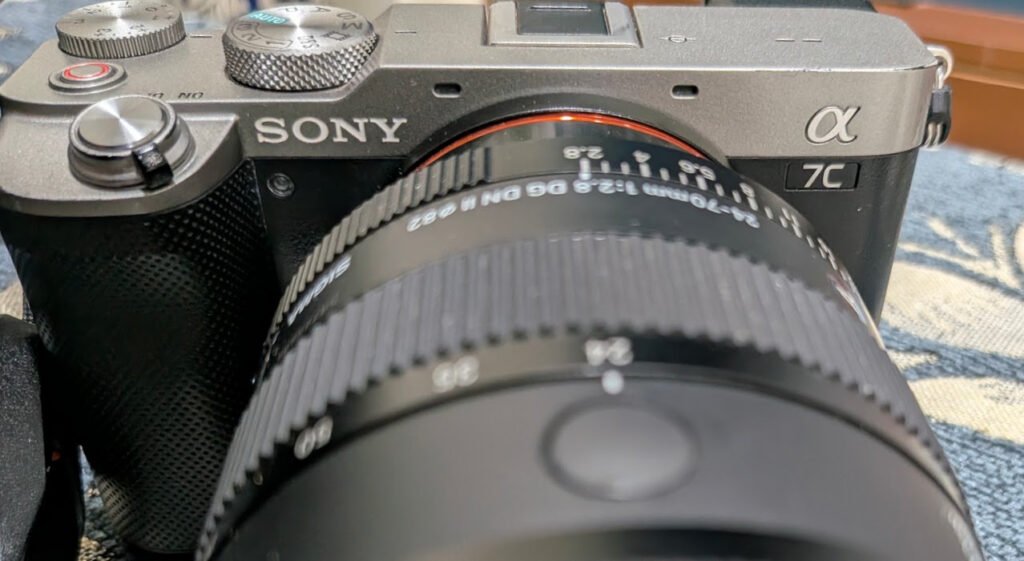
And I couldn’t have picked a better time to do so with a looming Garba Night event the next day. I knew that it would not be an easy task, but I had full faith in my Sony A7c, a full-frame camera. The shoot pretty much cemented my core beliefs about owning the “better” gear. Paired with a Sigma 24-70 DG DN II, I wasn’t expecting much, but the end results fascinated me. Besides, I also want this write-up to serve as another baseline about a manual mode post I wrote the other day.
The Garba Night Mess and How I Tackled It
First up, a massive shoutout to the Shutter Society Hyderabad crew for making this happen. In a way, @anvesh-patel and @sai-thejeshwar-rao played a massive part in this.
Keeping the gear debate aside, one of my first realisations was that shooting at an event with 1700 plus event takes real skill. It really humbled me, but it was also a great challenge. The sun had set, and there was an inconsistent lighting issue at the event. I knew I had to shoot in RAW+JPEG, and the JPEGs would come out like hot garbage.
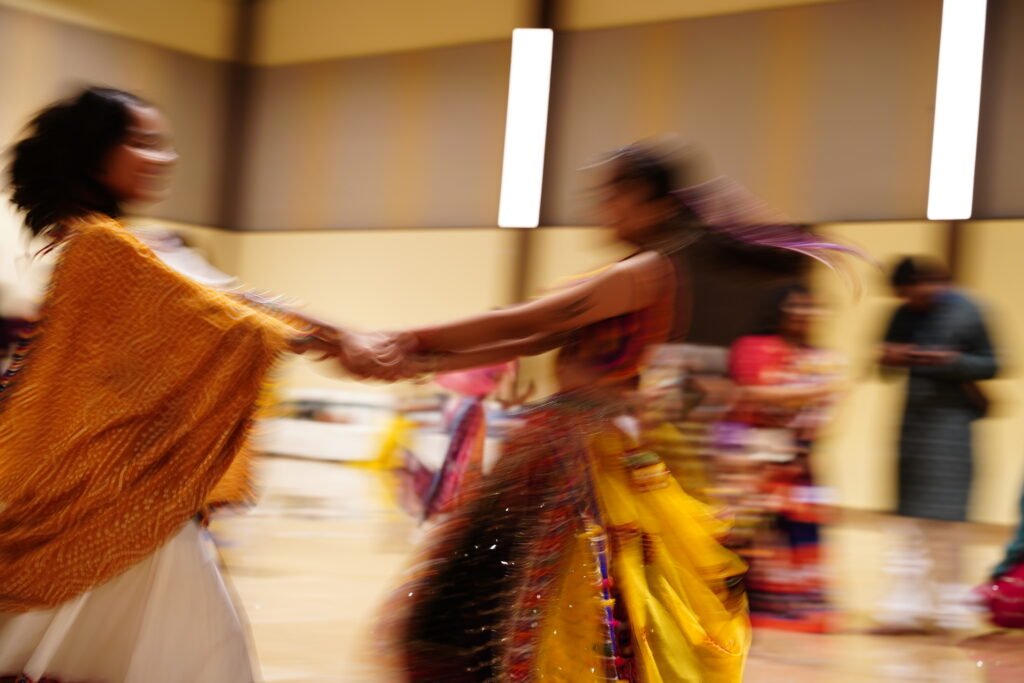
The start wasn’t as good as I expected. The initial set of images were BAD, and I mean really BAD. Shooting at lower ISO and slower shutter speed meant motion blur, which was not great for a fast-paced event like Garba. So I followed what I had previously preached.
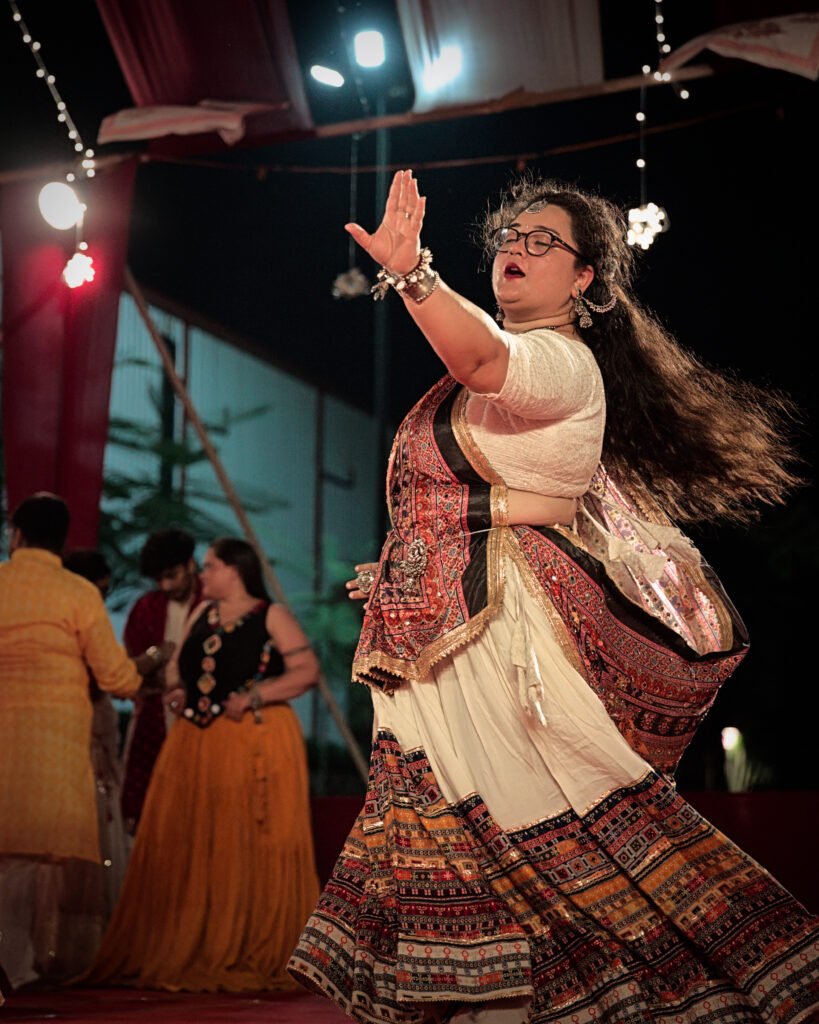
I switched gears, and there I was, shooting at F/4 at 10,000 to 15,000 ISO, 1/1600-1/3200th of a second shutter speed. That made a huge difference. Owning a full-frame camera meant less noise and a shallower depth of field, and now the pictures come out nice and crisp. At the same time, I saw folks with APS-C bodies struggling to get more light in, and that’s when it clicked.
It wasn’t a lack of skill on their part. It was a hard limit imposed by physics (darn you, Newton!). Their smaller sensors were gasping for light, while my full-frame sensor was swallowing it whole. That is the unspoken reality the “gear doesn’t matter” crowd conveniently ignores.
Skill tells you to push the ISO to 15,000 and crank the shutter speed to freeze the frantic, swirling energy of the dancers, but it is the gear that determines whether the resulting image is a striking, usable moment or a muddy, artefact-ridden disaster.
Better Gear Makes It More About the Moment, Less About Itself
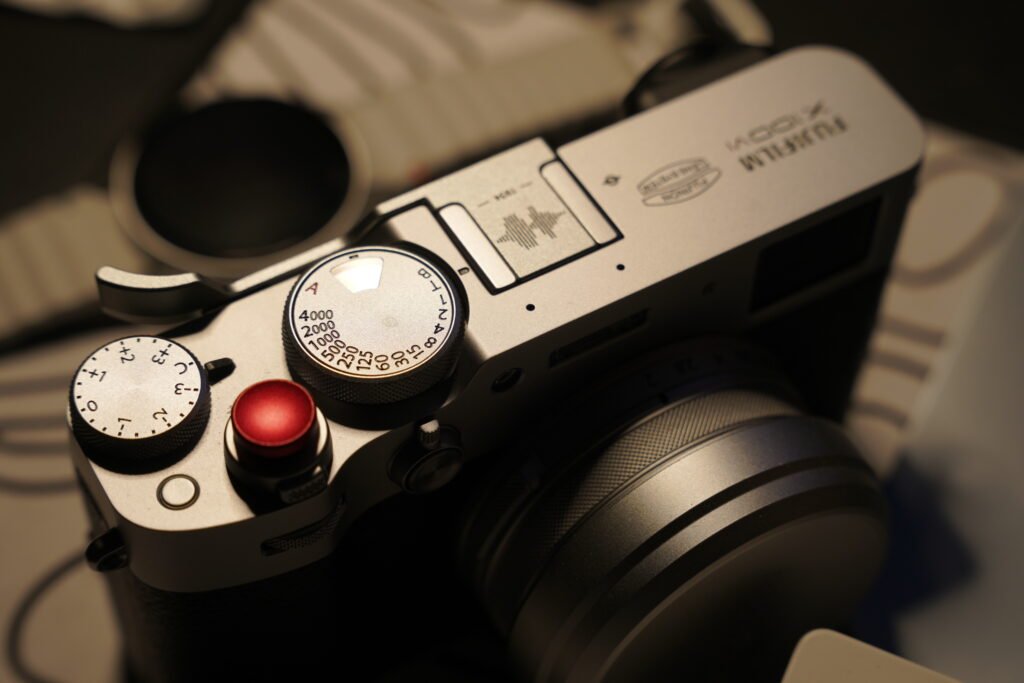
My goal here is not to brag about the lens or the full-frame camera. Although, considering the photography landscape with the Rs 15 lakh Hasselblads, gigantic telephotos, and Rs 2 lakh “retro-looking” point-and-shoot cameras, that’d be quite a petty brag.
Anyways, the point is that once the settings were set, the autofocus locked in and I wasn’t fighting with the gear anymore. I could focus entirely on the rhythm of the Garba, anticipating the peak of a twirl or the candid exhaustion of a dancer catching their breath on the sidelines. It’s truly a mesmerising feeling, and it reminded me why I like photography in the first place.
That creamy full-frame depth of field gracefully separated my subjects from the overwhelming background noise, and the lights that formed small and soft shapes truly made the photos special. And there I was, 1300 photos later, with 10-15 usable ones while the others went straight to the trash. A hard reality in photography.
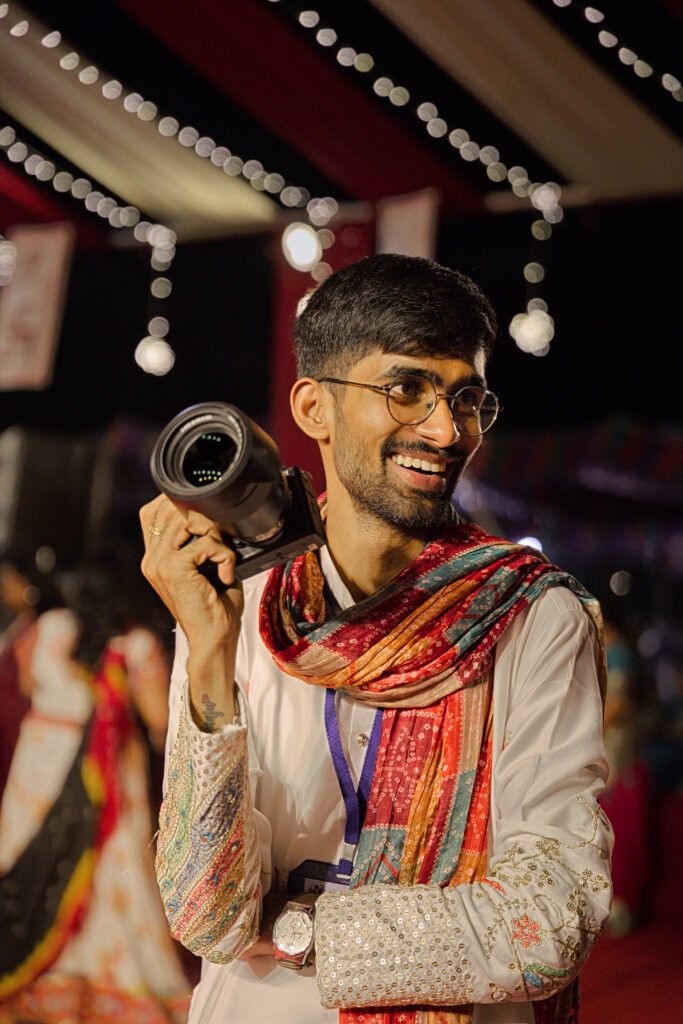
When I finally pulled the RAW files into the edit, the results spoke for themselves. The noise at those extreme ISOs was there, but it was organic and entirely manageable, leaving the vivid colours and sharp details completely intact. A lesser setup would have smeared those micro-contrast details into a watercolour painting.
The Bottom Line and Why You Should Get the Best You Can
The event taught me that a skilled photographer can take a decent photo with anything. But great gear doesn’t just make the job easier; it expands the physical boundaries of what is actually possible to capture. It gives your hard-earned skill the headroom it deserves.
I had to know exactly how to expose for the beautiful mess of Garba Night, but the Sony and Sigma are what actually pulled it out of the dark. It is time we stop apologising for investing in good glass and capable sensors, and start acknowledging that when high-level skill meets high-end gear, the results belong in a league of their own.
To be fair, the “gear doesn’t matter” crowd isn’t entirely wrong. In daylight, in a well-lit hall, or in a studio, the gap between an entry-level APS-C kit and a full-frame setup shrinks to the point where skill decides almost everything.
Spending more in those conditions buys you marginal gains at best, and that’s usually what the adage is really about. But Garba Night wasn’t that. It was fast motion, patchy light, and ISO values where noise stops being a nuisance and starts eating detail. That’s the edge where gear stops being a luxury and starts setting the ceiling on what you can capture.
So the next time someone tells you gear doesn’t matter, show them this write-up, and I shall discuss their rebuttals in the comments below. Meanwhile, follow us @ShutterSociety.Hyd and the author (Me!) at @mohadabubakar and @thelostographer on Instagram. Thanks for reading!